| |
| Wednesday, 30 September 2026 |
| Autumn Lunch and Lecture
Shepard's War: E H Shephard's artistic journey through WW1
(Pre booked event) |
| James Campbell |
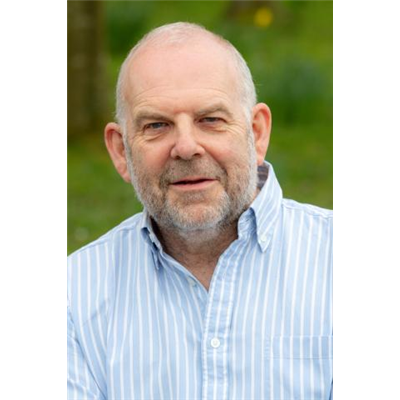 |
Lecture Synopsis Examining E H Shepard's artistic journey through the First World War from jocular cartoons in Punch as a civilian, to dark and impactful images of death and destruction on the western front, and how his own artistic style and approach changed and was influenced by the conflict. It shows a range of cartoons, drawings, watercolours, annotated maps and guides for the Intelligence Corps, as well as commercial work for the home market. We see a transition towards the simple economy of line and expression which is exemplified by the Winnie-the-Pooh illustrations started shortly after the end of the conflict. An individual and personal record of the 'war to end all wars'. Our Lecturer James Campbell has a BA in History and an MA in the History of Art and a particular interest in the work of the artist, illustrator and cartoonist E H Shepard (1879-1976). He has been lecturing for over twenty years, and has lectured across the UK and overseas to Literary Festivals, Art Societies, military museums, and to private clubs and community groups. He has been a Trustee of the E H Shepard Estate since 2010, as was involved in the ground-breaking Victoria and Albert Museum 2017 Exhibition marking the 90th birthday of Winnie-the-Pooh. His books Shepard’s War and The Art of Winnie-the-Pooh were published in 2015 and 2017 respectively. His new joint biography of A A Milne and E H Shepard - The Men Who Created Winne-the-Pooh: The Lives of A A Milne and E H Shepard - commissioned for the centenary of the Winnie-the-Pooh books was published in September 2025 by Michael O'Mara Books. |
|
| Wednesday, 21 October 2026 |
| AGM
The Borgias, the Most Infamous Family in History |
| Sarah Dunant |
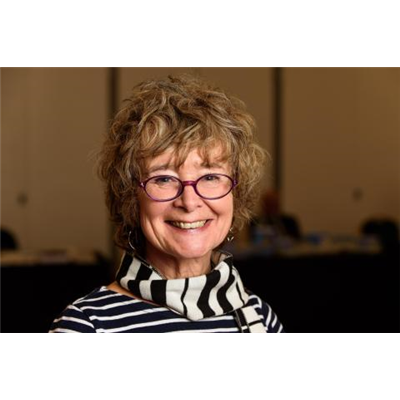 |
Lecture Synopsis Murder, poison, corruption and incest: all perfect ingredients for sensational popular culture. But in an age known for its brutality and church corruption were the Borgias really so bad? This lecture reveals the real family that dominated the Papacy and Italian politics during the last decade of the 15th century: the charismatic figure of Pope Alexander VI, living inside his sumptuously decorated apartments, the career of his son, Cesare, cardinal, general, employer of Da Vinci and the model for Machiavelli’s The Prince, and the journey of Lucrezia Borgia from “the greatest whore in Rome” to a devout and treasured duchess of the city Ferrara. Our Lecturer Novelist, broadcaster and critic. Sarah read history at Cambridge, then worked for many years as a cultural journalist in radio and television on such programmes as Kaleidoscope (BBC Radio 4), The Late Show (BBC 2), and Night Waves/Free thinking (BBC Radio 3). She has published thirteen novels, taught renaissance studies at Washington University, St Louis and lectured around the world at festivals and conferences. She is a regular contributor to BBC Radio 4’s A Point of View and these talks, alongside her series on history for Radio 4, When Greeks Flew Kites are available on podcast or BBC sounds. Her last six novels have been set within the Italian Renaissance, including the lives of women and the - true - story of the Borgias. Isabella d'Este, an illustrated novel about the life of the first ever female patron and collector is published in June 2025. And Sarah delivers a series of vie 15 talks to BBC Radio 4 "Unearthing the Past" as book of the week to coincide with publication. |
|
| Wednesday, 18 November 2026 |
| John Singer Sargent: The Private Radical |
| Gavin Plumley |
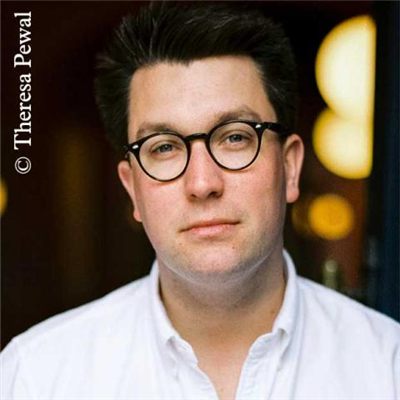 |
Lecture Synopsis Whether drawing duchesses or portraying princes, John Singer Sargent (1856–1925) was high society’s leading portraitist. Flaunting a consummate technique, his luxurious canvases mirrored his subjects’ wealth. Yet beneath the dazzling veneer of works such as Madame X, The Daughters of Edward Darley Boit and Lady Agnew of Lochnaw lurks a much rawer world by far. Sargent certainly scandalised Parisian society and the city’s Salon with his frank depictions of human sexuality, yet he was even more modern than they might have feared. This talk charts the artist’s life and his prolific output, showing that, like the era he came to represent, Sargent was always on the cusp of seismic change Our Lecturer A writer and broadcaster. Appears on BBC Radio 3 and 4, and contributes to newspapers, magazines and opera and concert programmes worldwide. Lectures widely about the culture of Central Europe. Recent appearances include Klimt and The Kiss in cinemas worldwide, and talks for the Hay and Cheltenham Literature Festivals, the Royal Opera House, the National Gallery, the National Trust, the National Theatre, the British Museum and the V&A. His first book, A Home for All Seasons, was published in 2022; his second, The Gay Apocalypse: Queer Life and Culture in Vienna 1900 will be released next year. |
|
| Wednesday, 09 December 2026 |
| Joseph of Nazareth :Best Supporting Actor
Fizz and mince pies will be served after the lecture |
| Amina Wright |
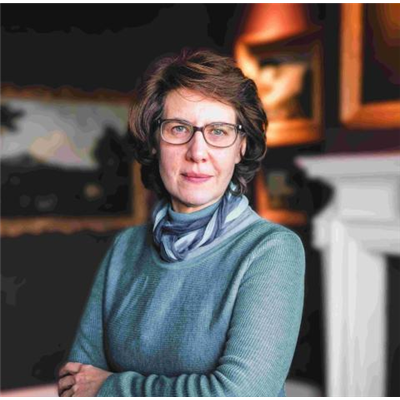 |
Lecture Synopsis The figure of Mary’s husband Joseph is familiar from Christmas cards, carols, cribs and nativity plays, yet in the Bible he never speaks a word. It took many centuries for the quiet carpenter to emerge from humble obscurity and for artists to make his image visible. This lecture explores the many legends and faces of Joseph through the ages, from wizened old man to powerful guardian. Come and discover the hidden depths in that simple bearded figure on your Christmas cards; but please remember that although this lecture may be particularly appropriate for December meetings, Joseph is for life, not just for Christmas. Our Lecturer Amina Wright has three decades of experience as a curator of historic art collections and exhibitions. She has produced several major exhibitions on eighteenth-century British Art and Old Masters and published and lectured widely in these areas. As Senior Curator at the Holburne Museum in Bath she was a leading member of the team that delivered the museum’s highly successful 2011 redevelopment. She has recently completed a unique and brand new museum, the Auckland Project’s Faith Museum in County Durham. Amina has also worked for English Heritage and the National Trust and has an MA in Christianity & the Arts from King’s College London. Her writing has been published in the Burlington Magazine, The Guardian, British Museum Magazine and the Arts Society Magazine and she has appeared on BBC Radio 4's Moving Pictures, Songs of Praise and Free Thinking on Radio 3. |
|
| Wednesday, 20 January 2027 |
| Britain's Art Deco Architecture: Our love affair with civic and domestic buildings of the 1920's and 1930's |
| Pamela Campbell Johnston |
 |
Lecture Synopsis From hotels, restaurants and tube stations to apartment blocks, offices, picture houses and lidos, the British public fell in love with Art Deco architecture of the 1920s and 1930s and embraced it whole-heartedly.
After decades of closure, 2022 marks the unveiling of the restored and instantly recognisable Battersea Power Station which commenced its construction in 1929. Our Lecturer MA Hons Art History, St Andrew's University. Over 30 years of lecturing experience to undergraduates, adult groups, and to Friends and Patrons of the Royal Academy of Arts as part of the RA’s Adult Education Department.
Also conducted numerous guided tours, residential trips and focused gallery talks on individual works of art. Specialises in British Domestic Architecture and Modern British Art - with a particular love for the 1920s and 1930s. A permanent career at Royal Academy of Arts for 12 years.
Work experience also undertaken at Bonhams, Art Loss Register and National Trust.
Now a freelance art consultant and lecturer. Recently curated a collection for the Lansdowne Club. Freeman of the Worshipful Company of Arts Scholars |
|
| Wednesday, 17 February 2027 |
| "Knights in Silver and Gold" : Saint George and the Origins of the Chiaroscuro Print |
| Alison Barker |
 |
Lecture Synopsis The invention of the printing press in the early 1450s provided the ability to reproduce black and white images for book illustrators and the print collection market. However, this may have seemed like a backward step for consumers when hand-illuminated manuscripts were still available in vibrant colour. It could only be a matter of time until colour printing was invented. This lecture tracks the origins of this development, from the introduction of tinted paper to a true chiaroscuro print and explains how the image of Saint George was at the centre of the new technology. Our Lecturer Dr Alison Barker taught History and Art History at further and higher education for over twenty years and currently works at the University of Essex. She speaks widely to diverse groups on many historical and art historical topics, and has led guided tours at the British Museum and the National Gallery. Alison wrote her PhD thesis on the depiction of Saint George in art and has published work on his image in both England and Italy. She has presented Papers for the Renaissance Society of America in both Boston and Dublin. Her book, The Dissemination of Saint George in Early Modern Art has been recently published by Routledge. |
|
| Wednesday, 17 March 2027 |
| The History of Natural Pearls: Orb to Empire |
| Laurie Wickwire |
 |
Lecture Synopsis Learn how one company came to control the world's flow of diamonds into the marketplace for over a century. The De Beers Diamond Cartel convinced diamond miners & traders to only buy or sell via their single market channel, forming a bond so tight it was impossible to move diamonds without them. At one time, De Beers held 40,000,000 carats of rough diamonds in a 3 story basement vault in London- a 20 year supply of gemstones. De Beers took the jewellery market by storm with the slogan "A Diamond is Forever" voted the advertising slogan of the century. Come learn how De Beers really did "Romance the Stone". Our Lecturer With over 35 years in the diamond industry, diamond expert Laurie Wickwire represents the industry across all sectors: mining, sorting, grading and brokering some of the world’s key rough stones. A leader in the industry, Laurie is the On-Air Diamond Expert for the international television shopping channel QVC where her opinion is regularly sought by over a million viewers each week. Whether presenting diamond shows on national channels the BBC, ITV and QVC, hosting diamond master classes, filming jubilee specials, or creating the historical jewellery range for both Buckingham Palace and Windsor Castle gift shops, Laurie’s love of the diamond industry is apparent. A graduate of GIA London, IGI Antwerp, and DeBeers Institute of Diamonds, Laurie is both a certified diamond grader and certified pearl grader. Additionally, she holds a Bachelor of Science Degree in International Business & Finance, and a Bachelor of Arts in French. Laurie’s industry knowledge has seen her interviewing celebrities at the Cannes Film Festival, publishing articles on Ocean Mining or the British Coronation, guest on numerous internationally streamed podcasts, enrichment lecturer on luxury cruise lines and creating bespoke commissions for the Royal Family. Awards, Qualifications & Memberships: GIA Certified Diamond Grader, IGI Certified Pearl Grader, On Air Luxury Gems Specialist for International Television Shopping Channel QVC, Luxury Cruise Industry Enrichment Speaker, Created the Historical Jewellery Range for Buckingham Palace & Windsor Castle, Crafted Jewellery Item for Duchess of Cambridge (Worn on cover of Hello Magazine) Commissioned in 2006 by Prince Charles to create the 30th Anniversary Item for the Prince's Trust |
|
| Wednesday, 21 April 2027 |
| Art in Antarctica |
| Henrietta Hammant |
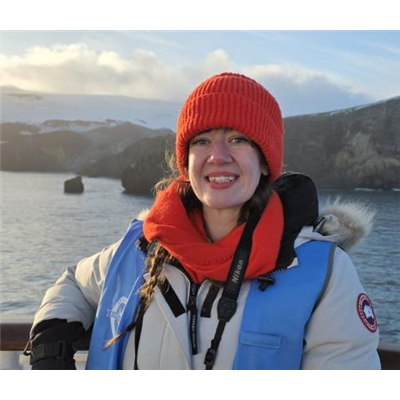 |
Lecture Synopsis Antarctica is the only continent on earth without an indigenous population, nevertheless, for almost as long as people have been exploring it, they have been making art. Discover carved whale teeth, scientific watercolours and Christmas decorations in this lecture about the many artistic responses to the icy continent. Our Lecturer Henrietta Hammant is a museum anthropologist with a love of the polar regions. She holds degrees in Archaeology and Anthropology from the University of Cambridge, and Visual, Material and Museum Anthropology from the University of Oxford. Recently, she has completed her PhD in the Anthropology of Heritage at the University of Reading, with a focus on Heroic Age Antarctic explorers and their representation in British museums. She has worked in museums across Canada and the UK, including as Assistant Curator at the Itsanitaq Museum in Churchill, Manitoba, and Collections Coordinator at the Polar Museum, part of the Scott Polar Research Institute in Cambridge. She has visited Antarctic twice as a cruise ship lecturer, receiving audience reviews of 93%. She is now an Impact Fellow at the University of Nottingham, working to decolonise Nottingham City Museums and Galleries’ collection of North American ethnographic objects. Henrietta Hammant is a museum anthropologist with a love of the polar regions. She holds degrees in Archaeology and Anthropology from the University of Cambridge, and Visual, Material and Museum Anthropology from the University of Oxford. Recently, she has completed her PhD in the Anthropology of Heritage at the University of Reading, with a focus on Heroic Age Antarctic explorers and their representation in British museums. She has worked in museums across Canada and the UK, including as Assistant Curator at the Itsanitaq Museum in Churchill, Manitoba, and Collections Coordinator at the Polar Museum, part of the Scott Polar Research Institute in Cambridge. She has visited Antarctic twice as a cruise ship lecturer, receiving audience reviews of 93%. She is now an Impact Fellow at the University of Nottingham, working to decolonise Nottingham City Museums and Galleries’ collection of North American ethnographic objects. |
|
| Wednesday, 05 May 2027 |
| Special Interest Day (Pre-booked event)
From Monochrome to Polychrome: How colour transformed the art of garden design |
| Timothy Walker |
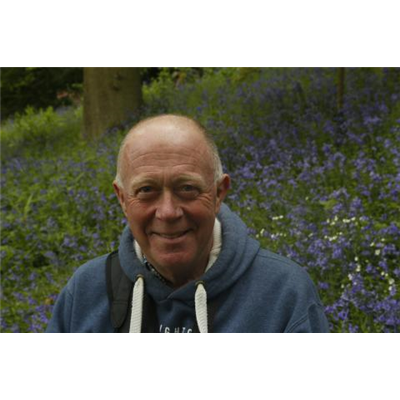 |
Lecture Synopsis This three-hour study day looks at the use of colour in gardening and fine art, and proposes that garden borders and contemporary paintings have evolved along parallel lines in the past 150 years. Along the way these talks look at the relationship between fine art and gardening and science. Our Lecturer I read Botany at University College Oxford. After graduation, I worked as a trainee at Oxford Botanic Garden, the Savill Garden Windsor, and the Royal Botanic Gardens Kew. In 1985 I was awarded a Master of Horticulture by the Royal Horticultural Society of London. From 1988 to 2014 I was director (Horti Praefectus) at the Oxford Botanic Garden. Between 1992 & 2000 the OBGHA won 4 gold medals at the Chelsea Flower Show London. In 2009 the Botanic Garden was awarded a Queen’s Anniversary Prize for providing imaginative educational programmes for adults, students, children, and the general public, thereby breathing new life into education for people of all ages and enriching their lives. In 2010 I was elected as a Fellow of the Linnaean Society of London. In the same year I presented a 3-part series of films on the history of botany on BBC4. Since 2014 I have been a tutor in Plant Biology at Somerville College, Oxford. |
|
| Wednesday, 19 May 2027 |
| Titian and his Influence on Western Art |
| Charlie Hall |
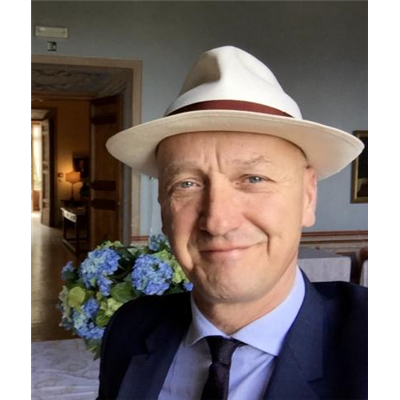 |
Lecture Synopsis Born at the end of the fifteenth century, Tiziano Vecellio came from Pieve di Cadore as a child to work as an apprentice in the studio of Giovanni Bellini alongside another artist who would soon become a master, Giorgione. Catapulted into a world where painting with oil on canvas was becoming the prominent art form, he became the first artist to truly be dominant. Michelangelo famously noted 'If only he had learned to draw, Titian would have become a Great.', but his style inspired subsequent painters, from Diego Velázquez, Rubens, Van Dyck and eventually, in the twentieth century, Gerhard Richter and Cecily Brown. This talk explores Titian's working practice, his patrons and his legacy. Our Lecturer A passionate arts educator, lecturer, and guide, based in London and Italy. Director of the highly regarded John Hall Venice Course, (est. 1965) Tour lecturer and leader for Kirker Holidays since 2013, and of independent tours in Italy. Designer and host of a series of art talks and events for the Soho House group of private member’s clubs. Designed and led courses for Christie’s Education and The Serpentine Gallery ‘Collector’s Circle’ |
|
| Wednesday, 16 June 2027 |
| The Hidden World of Canal Architecture |
| Roger Butler |
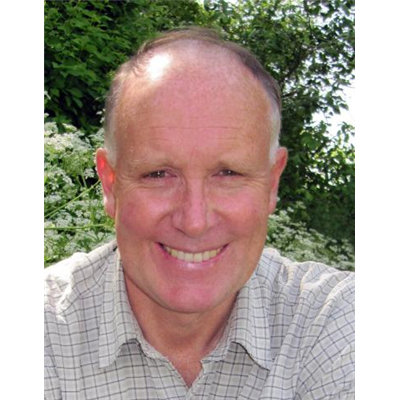 |
Lecture Synopsis This lecture examines the unique buildings and structures associated with the UK’s canal network, with a vast array of distinctive designs, landmark features and unusual artefacts: only the National Trust and the Church of England have more listed structures than our canals. Look out for lock flights and lighthouses; cottages and clock towers; warehouses and lots of whimsical architecture - our canals delight the eye and refresh the spirit. Available also as a tour and lectures are always tailored to include local and regional examples which reflect the unique distinctiveness of our inland waterways. Our Lecturer Roger Butler is a landscape architect and an experienced writer, photographer and lecturer. He has a particular interest in the unique history, architecture and traditions of our canal network and worked on some of the UK’s major canal restoration projects. He has also acted as a consultant to bodies such as Waterways Ireland, Natural England and the Jurassic Coast World Heritage Site. He regularly contributes to waterway and heritage magazines and writes and provides images for a range of countryside and outdoor titles. Roger is a Fellow of the Royal Geographical Society, a Licentiate of the Royal Photographic Society and a Chartered Member of the Landscape Institute. He lives near Stratford upon Avon and lectures across the country to groups such as the National Trust, RSPB, U3A, history societies, etc. His lectures inform, entertain and introduce the extraordinary world of our canals - only the National Trust and the Church of England have more listed buildings than our waterways. |
|